ZurückStartseite > Fachbereiche > Sport
Physical Education Drucken E-Mail

deutsche Version


Information about the physical education department

Today’s modern physical education is based on the principles and regulations of physical education at schools from 2005, the general guidelines for the grades 11-13 of comprehensive schools, and the core curricula. For the grades 5-10 the old guidelines have been replaced by a new core curriculum in the school year of 2009/2010.

At the moment the physical education department at the Robert-Bosch-Comprehensive School consists of 22 teachers, assistant teachers, and student teachers. Thanks to all these teachers, the various sports can all be taught properly. The pupils at the Robert-Bosch-Comprehensive School have physical education lessons from grade 5 till grade 13.

In the grades 5-8 the physical education lessons are taught to the whole class. At the end of every semester, the pupils get a report card in which their personal development and improvement is stated.

In the grades 9 and 10 physical education is either taught to the whole class, or the pupils are given the possibility of choosing specific courses according to their wishes.

In grade 11 the physical education lessons are taught to the whole class. In this introductory phase, the physical education lessons are a preparation for the lessons in the qualification phase in the grades 12 and 13, where the pupils are divided into courses for their physical education lessons. In order to take their Abitur exam, the pupils have to have taken part in four different physical education courses by the end of grade 13.

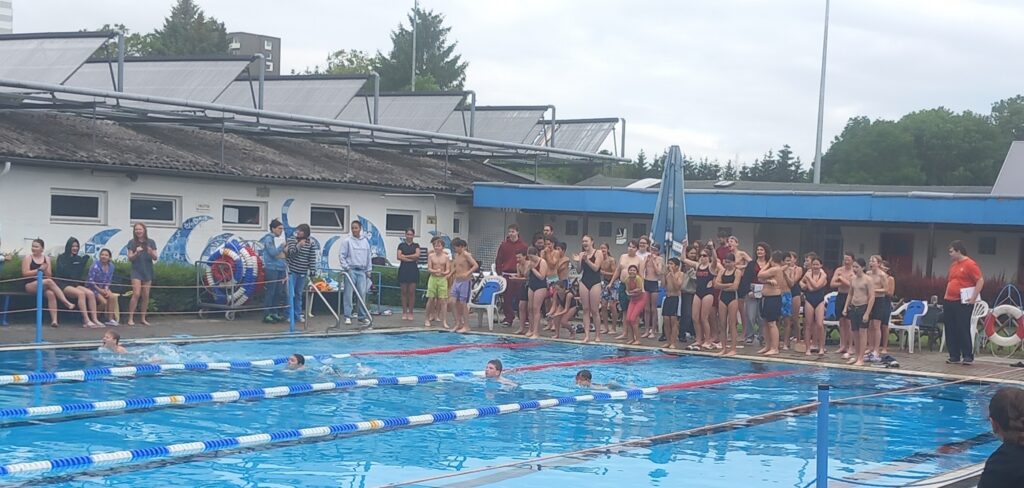
For the entire 6th grade and for one semester of grade 9 swimming lessons are mandatory for every pupil. The swimming lessons take place in the Wasserparadies in Hildesheim. In grade 12 the pupils can also choose swimming as one of their four courses for physical education.

At the end of grade 6 there is a great swimming party for the pupils at the Wasserparadies. Furthermore, many pupils are appointed for the swimming competitions of the schools of Hildesheim.

The physical education department of the Robert-Bosch-Comprehensive School also offers competitions on several different levels and the possibility to achieve the German Sports Badge.

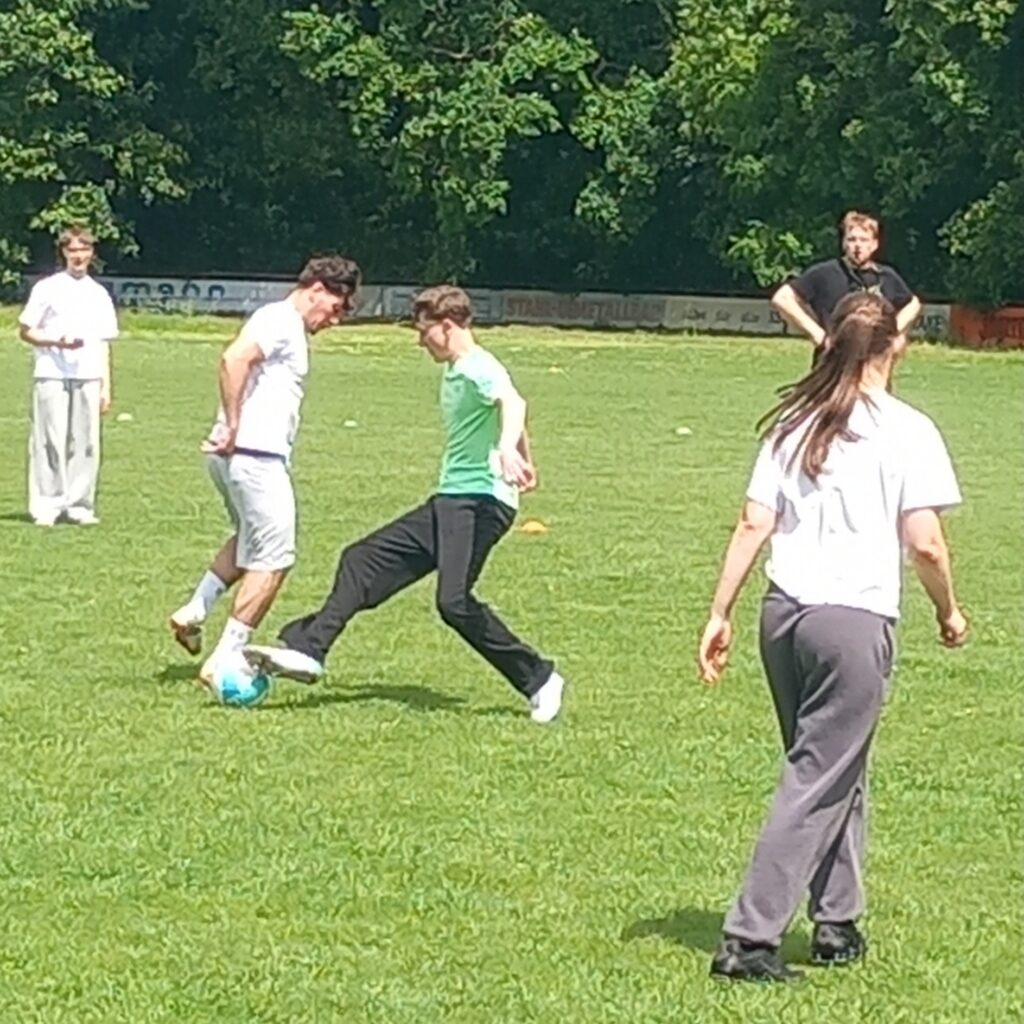
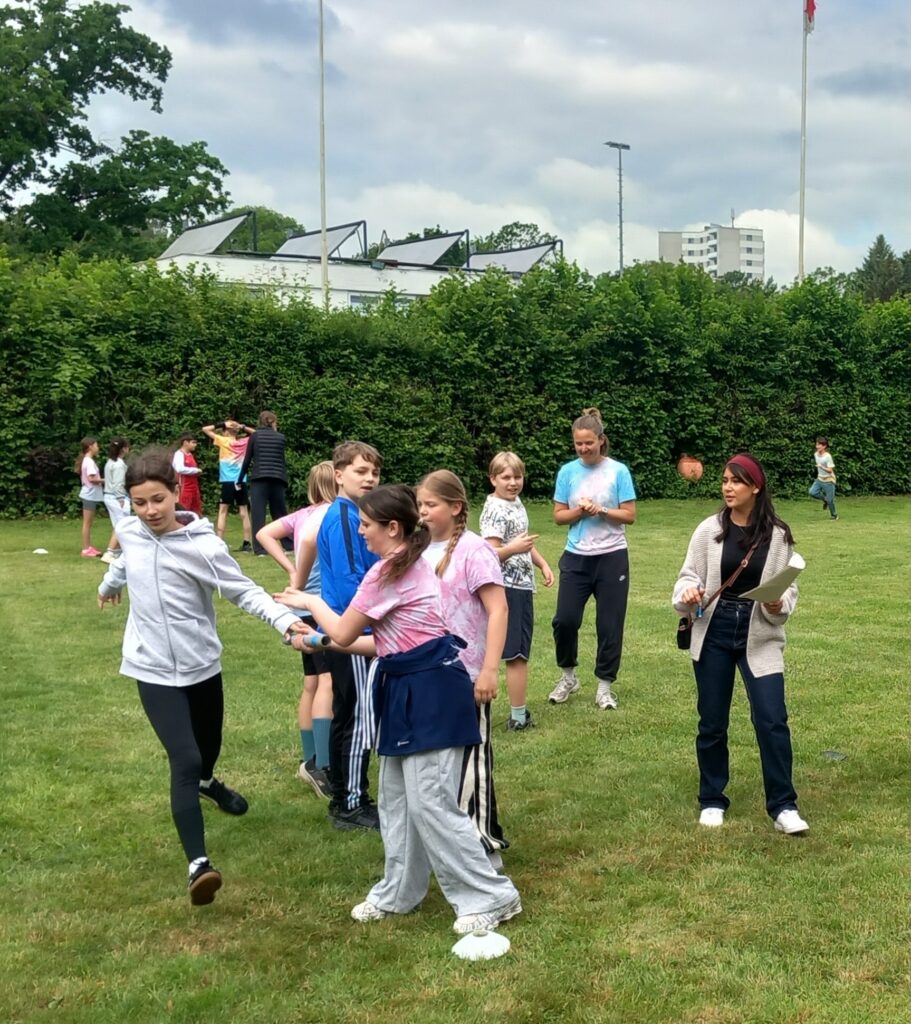
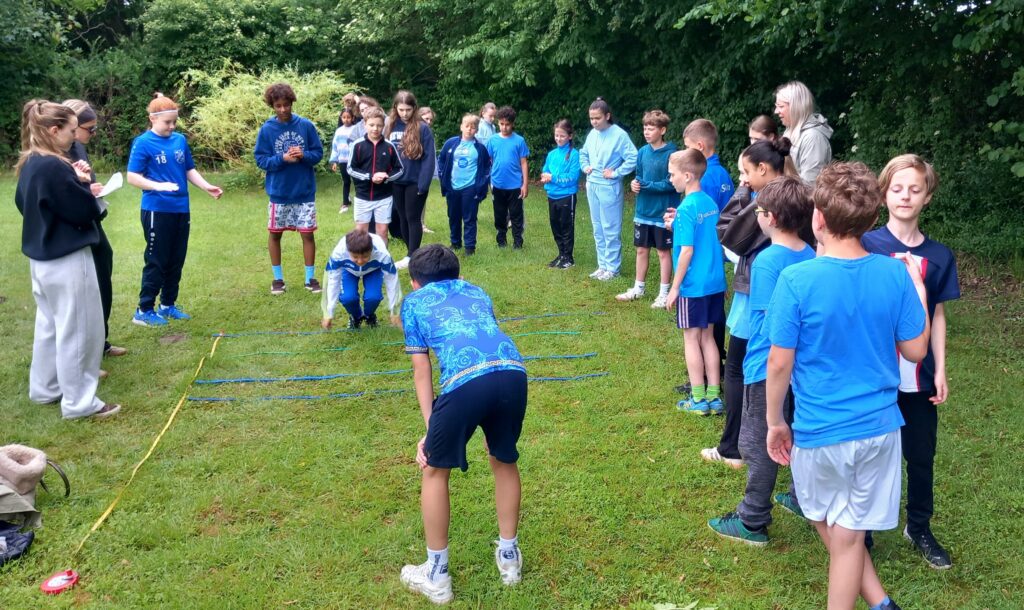
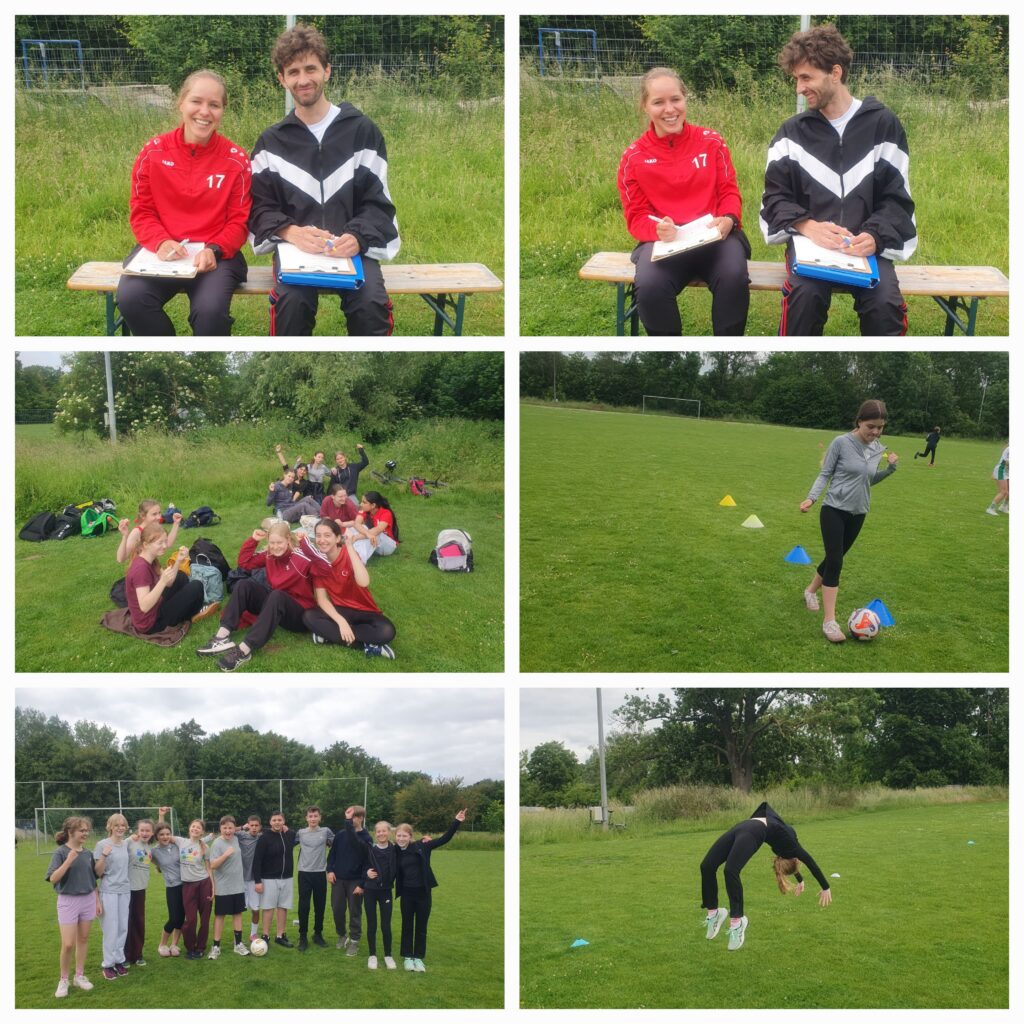
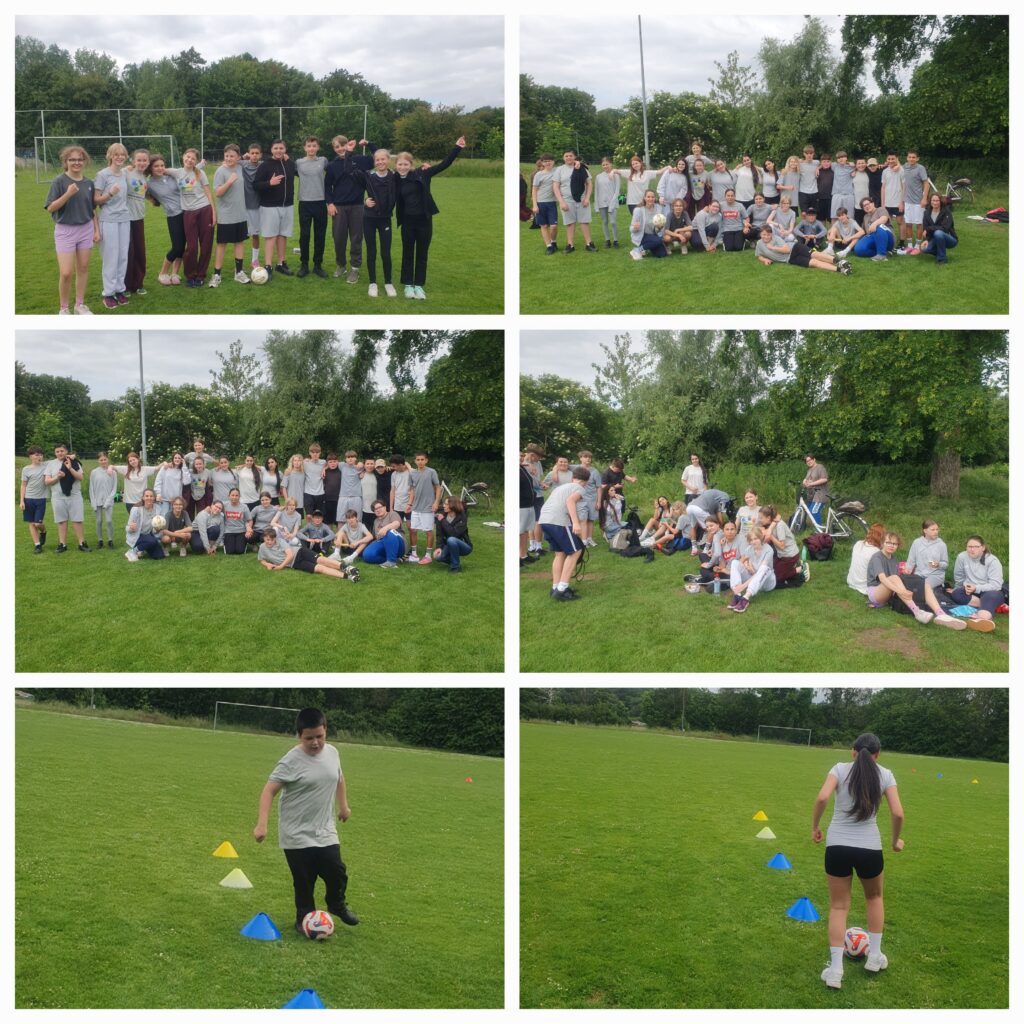
Beyond the regular lessons the physical education department offers a great variety of extracurricular activities which take place during the lunch breaks, in the afternoons, or in workshops, like rowing, canoeing, climbing, cycling, or skiing, for example.

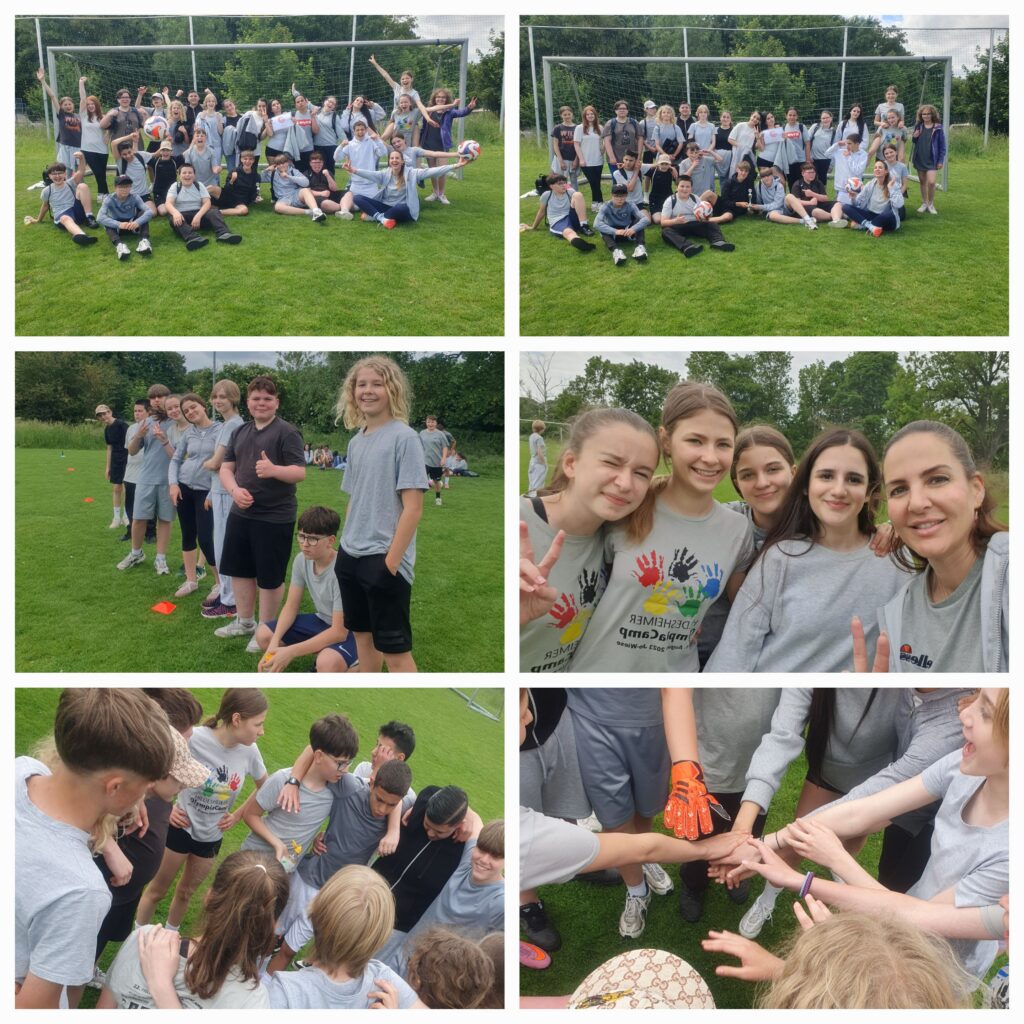
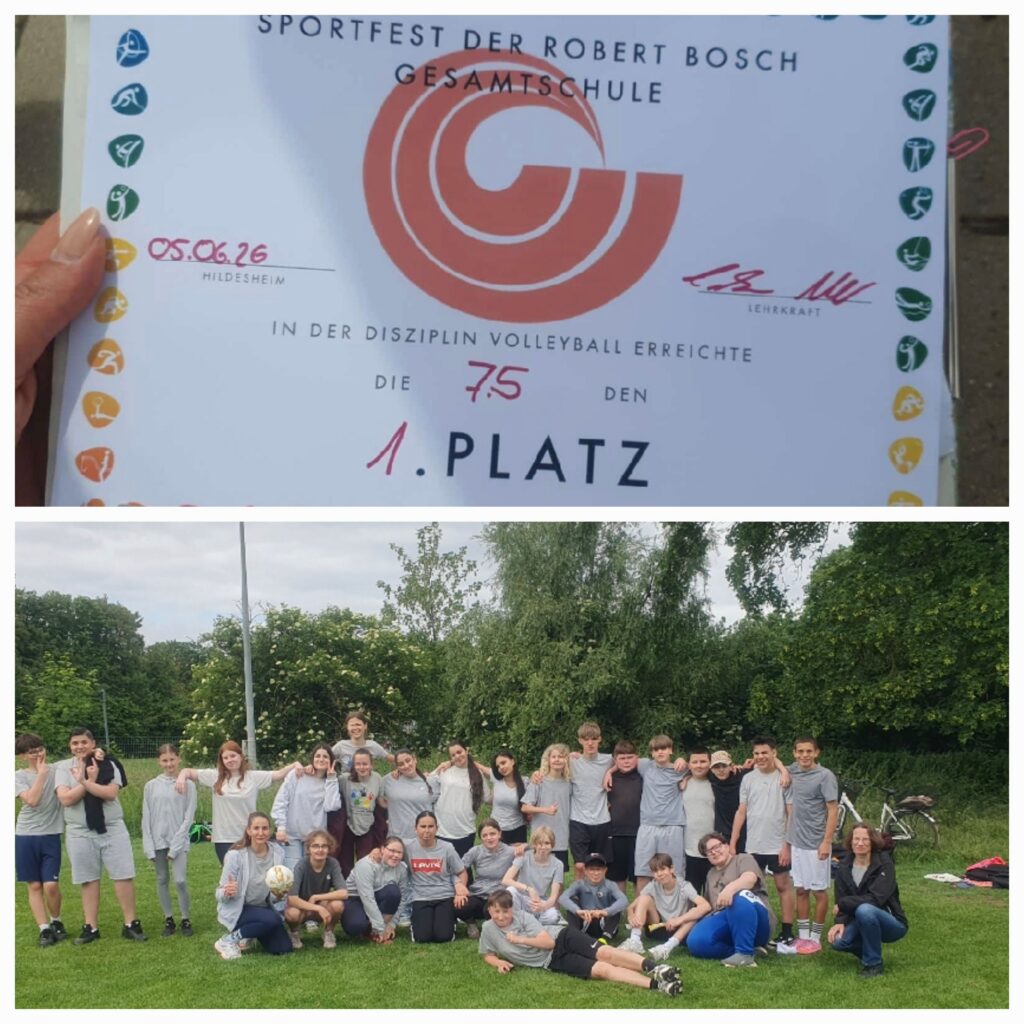
Furthermore, our pupils regularly and successfully take part in competitions like Jugend trainiert für Olympia (=Youth trains for the Olympics) or local events like the Hildesheimer Wedekindlauf (a local running competition in Hildesheim) or the Telemann-Handball-Turnier (a local handball competition), for example.


What does physical education contribute to a pupil’s education?

Physical education is indispensable for a pupil’s education. In this subject, the pupils can discover the joy of exercising together and they can realize that being active, combined with a healthy way of life, will have a positive influence on their physical, social, emotional, and cognitive development. At the same time, physical education in schools is supposed to encourage fairness, tolerance, team spirit, and motivation.

Physical education contributes to the development of a pupil’s personality. This includes his or her motor skills, cognitive skills, and social skills.

By getting to know several different exercises and sports, the pupils are offered new possibilities for their free-time.

These are the goals of physical education in a nutshell:

→ Improvement of individual motility

→ Realization of what is good for the body

→ Development of activity-related learning strategies

→ Development and improvement of social competences

→ Encouraging ambition

→ Qualification for participation in exracurricular sport competitions and teams

→ Leading pupils to lifelong sporting activity

→ Qualification to treat the own body and health responsibly.

→ Promotion of emotional development

The core curriculum of physical education is valid for the grades 5-10 of all school types.

The pupils’ capability in physical education is mostly heterogeneous in all school types. Differences in their motor skills or knowledge are usually the result of the pupils’ different backgrounds and their different experiences, as some pupils are in sport clubs or on sport teams in their free-time.

The centre of physical education is movement and being active.

With a view to the physical education lessons in the grades 12 and 13, the practical parts of physical education are more and more connected to theoretical content.

Especially in the grades 12 and 13 cognitive aspects of physical education are taken in to account. The pupils solve complex tasks and problems as independently as possible.


Photos:

Additional Articles (german):